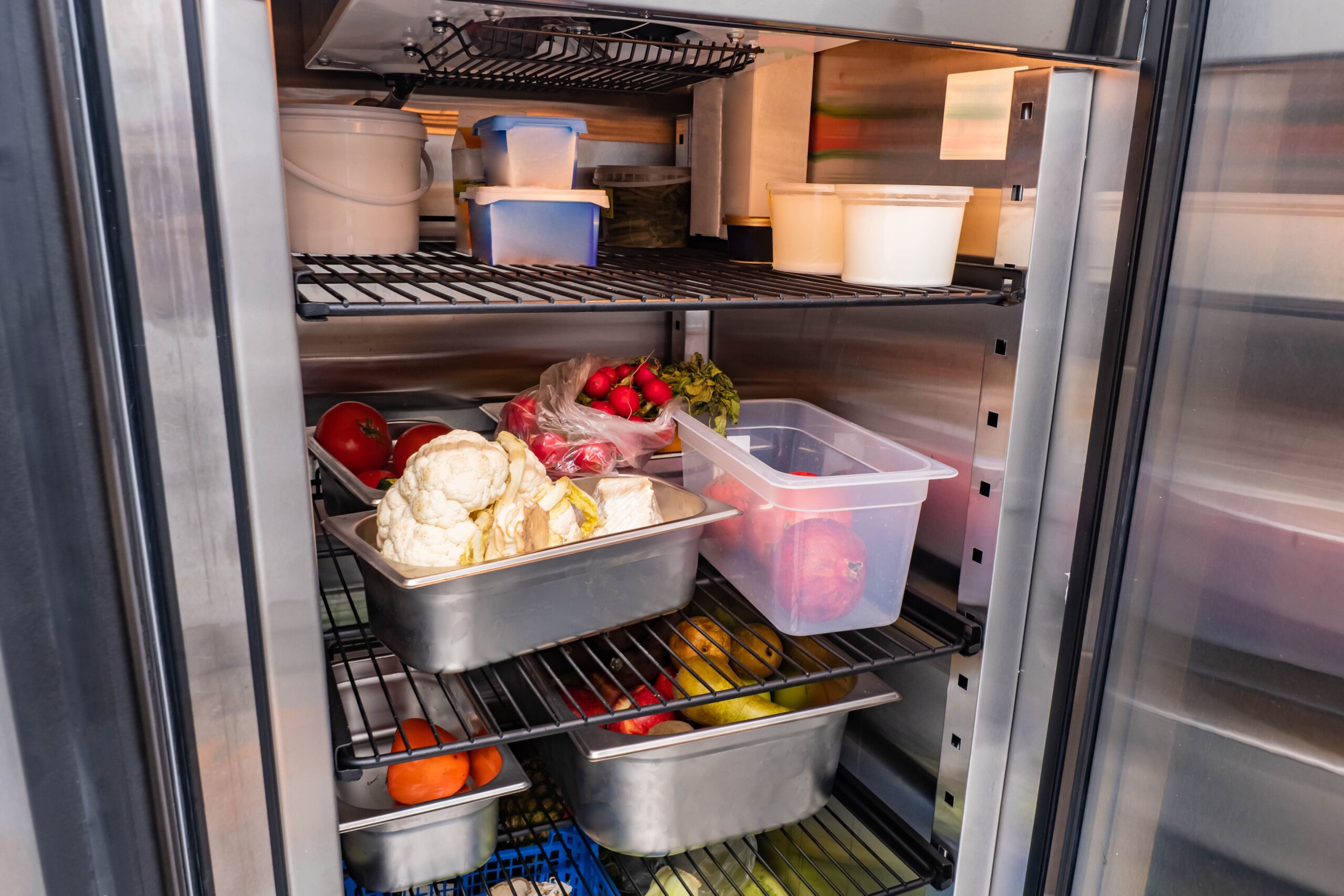
When selecting commercial refrigeration for a restaurant, several practical factors must be carefully evaluated to ensure the investment supports both operational efficiency and food safety. The first consideration involves understanding the specific needs of the kitchen environment. Different types of refrigeration units serve varied purposes, such as reach-in refrigerators for quick access to ingredients, under-counter models for limited spaces, or walk-in coolers that store large quantities of perishable goods. Assessing the volume and type of food items stored helps determine not only the size but also the configuration required.
Energy efficiency is another critical factor in choosing commercial refrigeration. Restaurants operate on tight margins, so energy consumption directly impacts utility costs. Modern refrigeration units often come with Energy Star ratings or other certifications indicating lower power usage without sacrificing performance. Investing in energy-efficient equipment may have a higher upfront cost but typically results in savings over time through reduced electricity bills.
Durability and build quality are essential because commercial refrigerators endure constant use throughout busy service hours. Stainless steel construction is common due to its resistance to corrosion and ease of cleaning, which aligns with health regulations demanding strict hygiene standards. Additionally, features like adjustable shelving and robust door seals contribute to better organization inside the unit while maintaining consistent internal temperatures.
Temperature control accuracy cannot be overlooked since improper cooling can lead to spoilage or foodborne illnesses. Reliable thermostats with clear displays enable staff to monitor conditions effectively. Some advanced models include alarms that notify users if temperatures deviate from safe ranges, providing an extra layer of protection against loss.
Space constraints within a restaurant kitchen influence which refrigeration unit will fit best without disrupting workflow or overcrowding workstations. Measuring available space beforehand prevents costly mistakes during installation and ensures smooth integration into existing layouts.
Maintenance requirements also play a significant role when making purchasing decisions. Units that are easier to clean and service reduce downtime and labor costs associated with upkeep while extending equipment lifespan.
Finally, budget considerations must balance immediate expenses with long-term benefits such as energy savings, durability, and reliability under heavy use conditions typical in restaurants.
By carefully weighing these real-world factors-capacity needs, energy efficiency, durability, temperature control precision, spatial compatibility, maintenance demands, and overall cost-restaurant owners can make informed choices about Commercial Refrigeration that enhance kitchen operations while safeguarding their investment over time.