Older properties often come with unique plumbing challenges that require careful attention during inspections. When dealing with an aging home, it is essential to conduct a thorough plumbing inspection to identify potential issues before they escalate into costly repairs. The first step in this process involves examining the visible pipes, fixtures, and connections for signs of wear or damage. Many older homes still have original piping made from materials such as galvanized steel or cast iron, which are prone to corrosion and buildup over time. Inspectors should check for rust, leaks, and mineral deposits that may indicate deteriorating pipes needing replacement.
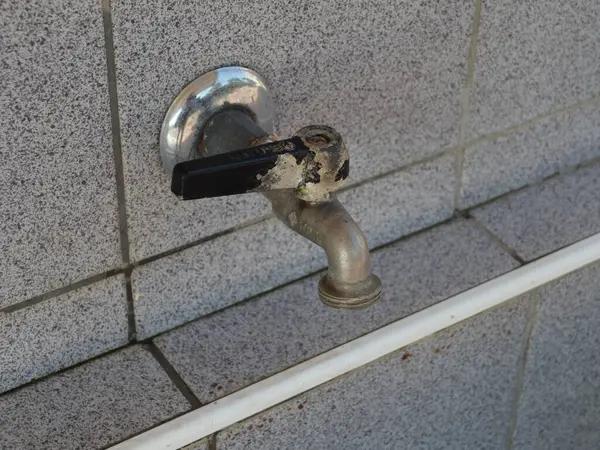
Another critical aspect is assessing the condition of the water supply system. Older properties might have outdated valves and fittings that can restrict water flow or fail under pressure. Testing water pressure helps determine if there are blockages or leaks within the system. Additionally, inspecting shut-off valves ensures they function correctly in emergencies since these components tend to seize up due to age and lack of use.
Drainage systems also deserve close scrutiny because older drains can suffer from clogs caused by years of accumulated debris or tree root intrusion in underground pipes. It is advisable to use a professional drain camera inspection to visualize internal pipe conditions accurately without invasive digging. check this page method allows homeowners and inspectors alike to detect cracks, breaks, or areas where roots have penetrated sewer lines.
Water heaters in older homes may be inefficient or unsafe after many years of service. Inspecting these units includes checking for rust around tanks, ensuring proper venting systems are intact if gas-powered models are present, and verifying temperature settings comply with safety standards. In some cases, upgrading an old water heater can improve energy efficiency while reducing risks associated with malfunctions.
Furthermore, it is important not only to focus on individual elements but also on overall system integration within an older property’s plumbing network. For example, outdated pipe layouts might not meet modern building codes anymore and could cause drainage problems due to improper slopes or inadequate venting systems.
In summary, when inspecting plumbing in older homes one should prioritize identifying material degradation like corroded pipes and faulty valves alongside evaluating drainage integrity through advanced tools such as video inspections; checking water heater safety; and reviewing compliance with current standards regarding layout design-all aimed at preventing future failures while maintaining reliable performance throughout the property’s lifespan.