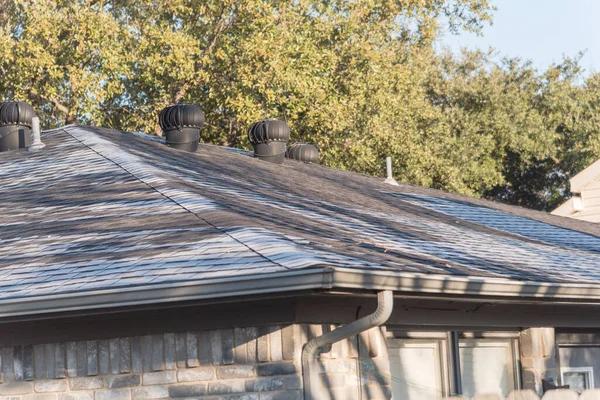
Trees falling on roofs can cause significant damage, posing safety risks and costly repairs for homeowners. Understanding the common causes behind such incidents is essential to prevent them effectively. One primary reason trees fall on roofs is due to weakened structural integrity caused by disease or decay. Trees affected by fungi, pests, or rot lose their strength over time, making them vulnerable during storms or high winds. Another frequent cause involves poor root stability. Roots may become compromised from soil erosion, construction activities near the tree base, or compacted ground that limits nutrient absorption. Without a strong root system anchoring it firmly in place, a tree on roof is more likely to topple unexpectedly.
Severe weather conditions also play a crucial role in trees falling onto roofs. Strong winds during hurricanes, tornadoes, or thunderstorms exert immense pressure on branches and trunks. Heavy rainfall saturates the ground and softens soil around roots, reducing their grip and increasing the likelihood of uprooting. Snow accumulation adds weight to branches which can lead to breakage under stress if the tree’s structure is already weak. Additionally, lightning strikes can damage internal tissues of trees causing sudden falls long after the strike has occurred.
Improper maintenance contributes significantly to this problem as well. Neglected trees with overgrown limbs may become unbalanced in weight distribution making them susceptible to breaking during adverse weather events. Pruning mistakes such as removing too many branches at once weaken overall stability rather than improve it. Planting large species too close to buildings without considering mature size increases risk since expanding roots might disrupt foundations while heavy limbs threaten roof structures.
Preventing trees from falling onto roofs requires proactive measures focused on regular inspection and care by qualified arborists who can identify early signs of distress like cracks in bark or hollow cavities inside trunks not visible externally but critical indicators of decay progression. Ensuring proper pruning techniques are applied maintains balanced growth patterns that reduce wind resistance while promoting healthy development throughout all parts of the tree.
Homeowners should avoid planting large shade trees near homes unless space allows for full growth without interference with structures above or below ground level roots extending under foundations must be considered when selecting species for landscaping purposes.