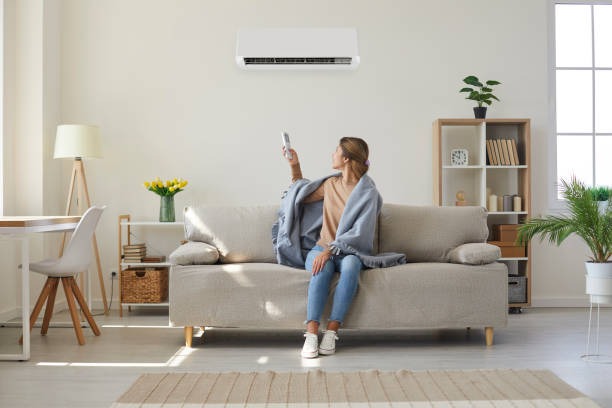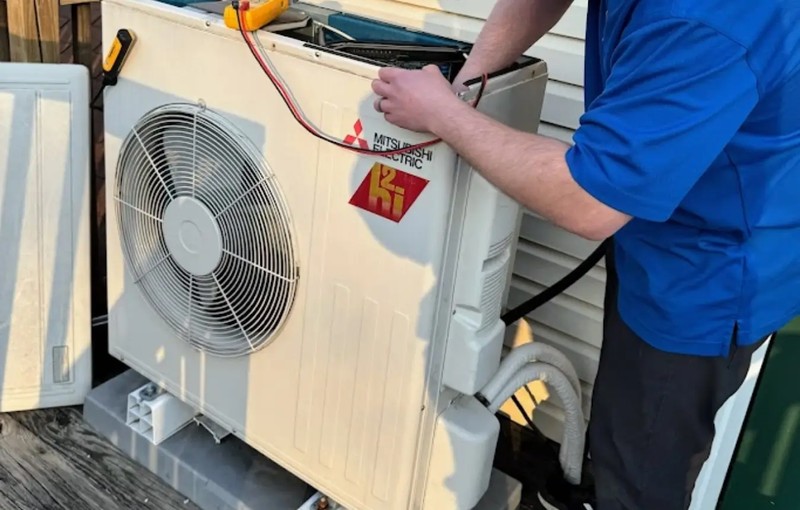
Installing an air conditioning system efficiently requires careful planning and attention to detail to ensure optimal performance, energy savings, and longevity. The first step is selecting the right unit for your space. It’s essential to consider the size of the area that needs cooling; an oversized or undersized system can lead to inefficiency and increased energy costs. Consulting with a professional who can perform a load calculation will help determine the appropriate capacity based on factors such as room size, insulation quality, window placement, and local climate conditions.
Once you have chosen the correct unit, proper placement is crucial. The outdoor condenser should be positioned in a shaded location with ample airflow around it to prevent overheating and reduce strain on the compressor. Avoid placing it near heat sources or enclosed spaces that could limit ventilation. Indoors, installing the evaporator coil away from direct sunlight or heat-generating appliances improves efficiency by maintaining consistent temperature control without overworking the system.
Air Conditioning Installation
Before installation begins, ensure all necessary permits are obtained if required by local regulations. This step helps avoid legal issues and ensures compliance with safety standards. Additionally, verify that electrical wiring meets specifications for voltage and amperage demands of your new air conditioner to prevent hazards or damage during operation.
During installation, sealing ductwork properly is vital for preventing air leaks that diminish cooling effectiveness and waste energy. Use mastic sealant or metal tape rather than standard duct tape since these materials provide more durable seals resistant to temperature changes over time. Insulating ducts also helps maintain cool air temperatures as they travel through walls or ceilings.
Drainage must be addressed carefully because improper condensate removal can cause water damage or mold growth inside your home. Installing a correctly sloped drain line allows condensation to flow freely away from indoor components without pooling.
Testing after installation confirms everything functions smoothly before finalizing setup. Check refrigerant levels according to manufacturer guidelines since incorrect amounts affect performance negatively either by reducing cooling capacity or causing mechanical failures due to excess pressure within coils.
Lastly, scheduling routine maintenance keeps systems running efficiently long-term by identifying minor issues early before they escalate into costly repairs while ensuring filters remain clean for unobstructed airflow.
By focusing on accurate sizing, strategic placement, secure connections, proper drainage solutions, thorough testing procedures, and ongoing upkeep throughout each phase of installation you maximize comfort while minimizing operational expenses associated with your air conditioning installation system’s use over time.
Gee Heating and Air
5340 McEver Rd Unit I-J, Flowery Branch, GA 30542
770-287-9110