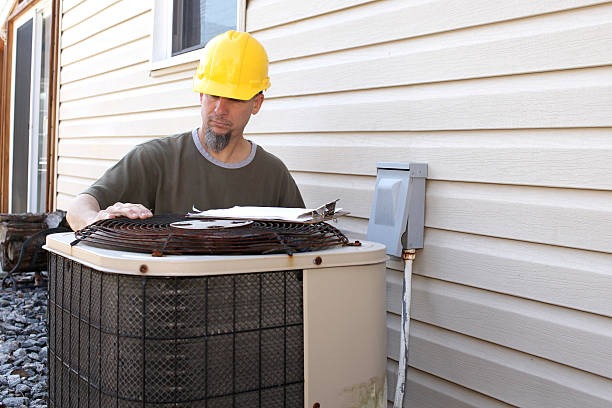
Temperature inconsistencies between rooms are a common concern for homeowners and building managers alike. When one room feels uncomfortably hot while another is chilly, it often points to underlying issues within the HVAC (Heating, Ventilation, and Air Conditioning) system. Understanding these common HVAC problems can help diagnose and resolve temperature disparities, ensuring a more consistent and comfortable indoor environment.
One of the primary causes of uneven temperature distribution is improper airflow. HVAC systems rely on ductwork to distribute conditioned air throughout a building. If ducts are poorly designed, damaged, or blocked, airflow can be restricted, leading to some rooms receiving more air than others. Leaks in the ductwork can also cause conditioned air to escape before reaching its intended destination, resulting in cooler or warmer rooms depending on the season. Regular inspection and sealing of ducts can significantly improve airflow balance.
Another frequent issue is the incorrect sizing of the HVAC system. If the system is too small for the building, it may struggle to maintain consistent temperatures, especially in larger homes or commercial spaces. Conversely, an oversized system can cycle on and off too frequently, failing to regulate temperatures evenly. Proper load calculations performed by HVAC professionals are essential during installation to ensure the system matches the building’s heating and cooling needs.
Thermostat placement and zoning also play crucial roles in temperature uniformity. A thermostat located in a particularly warm or cool area can misread the actual temperature of the space, causing the HVAC system to overheat or overcool the building. Additionally, read the full article buildings without zoning controls cannot tailor temperature settings for individual rooms or areas, leading to some spaces being over-conditioned while others remain uncomfortable. Installing programmable thermostats and zone control systems can help mitigate this issue by allowing customized temperature settings for different rooms.
Maintenance-related problems are another common factor. Dirty or clogged air filters reduce airflow and force the HVAC system to work harder, which can result in uneven heating or cooling. Similarly, poorly maintained components like fans, coils, and compressors can impair system performance. Routine maintenance, including filter replacement and system tune-ups, is vital to keeping the HVAC system operating efficiently and maintaining consistent temperatures across all rooms.
Finally, external factors such as poor insulation, drafts, and windows can exacerbate temperature differences. Rooms with inadequate insulation or that are exposed to direct sunlight may heat up faster, while those with drafts or insufficient sealing can lose heat quickly. Addressing these building envelope issues in conjunction with HVAC system improvements is often necessary to achieve balanced indoor temperatures.
In conclusion, temperature changes between rooms typically stem from a combination of HVAC-related issues, including airflow problems, incorrect system sizing, thermostat placement, and maintenance lapses. By identifying and addressing these factors, homeowners and facility managers can enhance comfort, improve energy efficiency, and extend the lifespan of their HVAC systems.