Embarking on an exterior painting project can be both exciting and daunting. The prospect of revitalizing your home’s appearance is thrilling, but the process requires careful planning and execution. Proper preparation is key to achieving a professional-looking finish that will stand the test of time.
Firstly, assess the condition of your home’s exterior. Look for signs of damage such as peeling paint, mold, mildew, or rot. These issues must be addressed before painting begins. Repair any damaged surfaces and replace sections of wood or siding that are beyond repair. This ensures a smooth base for the new paint and prevents future problems.
Next, gather all necessary materials and tools. Invest in high-quality brushes, rollers, drop cloths, painter’s tape, ladders or scaffolding if needed, and most importantly, high-grade exterior paint suitable for your climate. Quality products may cost more upfront but offer better coverage and durability.
Before painting starts, clean the surfaces thoroughly to remove dirt and debris that could interfere with adhesion. Power washing is an effective method for cleaning large areas quickly; however, ensure surfaces dry completely before proceeding to avoid trapping moisture under the paint.
Priming is a crucial step in preparing for an exterior painting project. A good primer not only provides view this website a uniform surface but also enhances paint adhesion while blocking stains from bleeding through the topcoat. Choose a primer compatible with both your surface material and chosen paint type.
Once priming is complete and dried according to manufacturer instructions—typically 24 hours—you’re ready to apply the first coat of paint. Begin by cutting in around edges with a brush before using rollers on larger areas for even coverage without visible strokes.
Consider weather conditions when scheduling your project; ideal temperatures range between 50°F (10°C) and 85°F (29°C), with low humidity levels ensuring optimal drying times without complications like blistering or cracking due to rapid temperature changes during application periods.
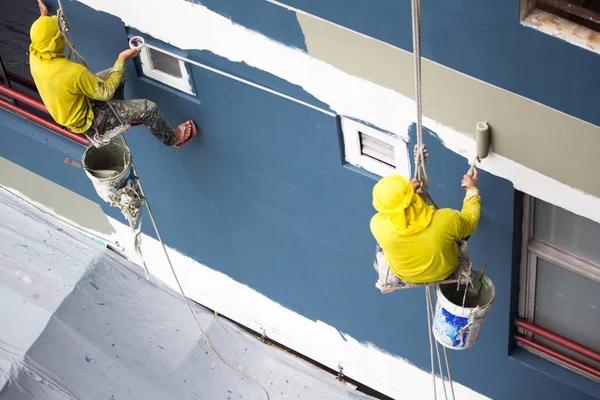
Safety should never be overlooked during any home improvement task involving heights or hazardous materials such as paints containing volatile organic compounds (VOCs).