
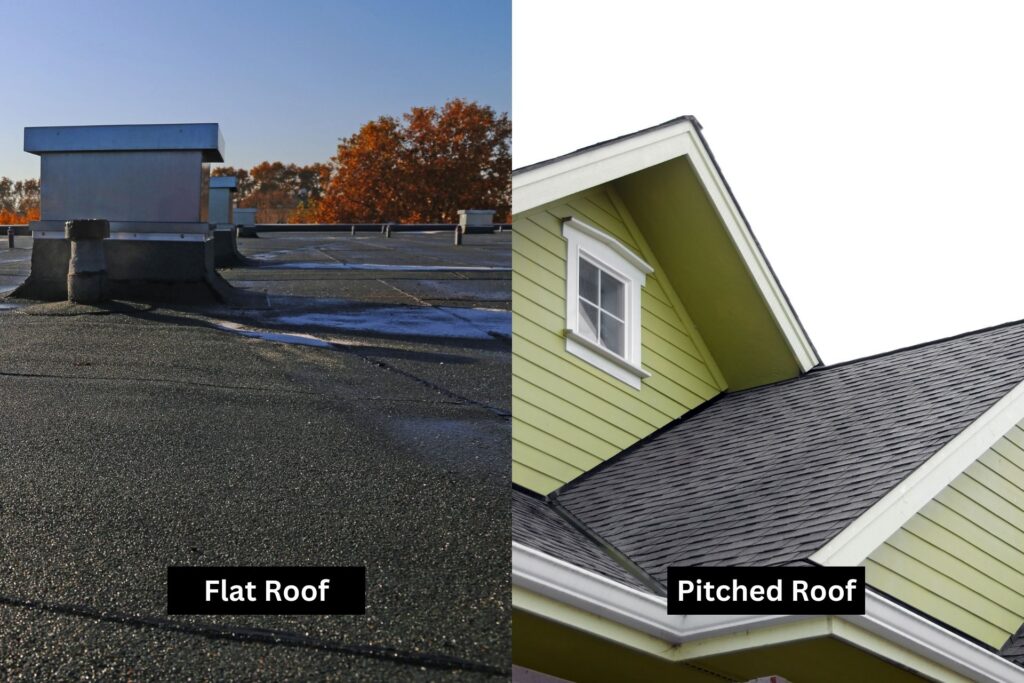
When deciding on the type of roof for a modern home, homeowners often find themselves choosing between flat roofs and pitched roofs. Both styles have distinct advantages and challenges that influence their suitability depending on architectural preferences, climate conditions, maintenance considerations, and overall aesthetics.
Flat roofs are characterized by their minimal slope, typically less than 10 degrees. This design offers a sleek and contemporary appearance that complements modern architectural trends favoring clean lines and simplicity. One of the primary benefits of flat roofs is their efficient use of space; they can serve as additional outdoor living areas such as rooftop gardens, patios, or solar panel installations. This makes them particularly appealing in urban environments where ground space is limited. Additionally, flat roofs generally require fewer materials during construction compared to pitched roofs, which can reduce initial building costs.
However, flat roofs do come with some drawbacks. Their low slope means water drainage relies heavily on proper waterproofing systems since rainwater does not naturally run off as quickly as it does on sloped surfaces. Without adequate maintenance and quality materials, flat roofs are more susceptible to leaks over time. Moreover, in regions with heavy snowfall or rainfall, accumulated water or snow load can pose structural risks if not properly managed.
On the other hand, pitched roofs feature a noticeable incline which facilitates natural water runoff and reduces the risk of leaks caused by standing water. The sloped design also allows for better ventilation within attic spaces which can improve energy efficiency by regulating indoor temperatures throughout different seasons. Pitched roofs offer versatility in terms of style-from classic gable to hip designs-that suit various aesthetic preferences while providing ample space for insulation.
The downside to pitched roofing lies primarily in construction complexity and cost; these structures require more materials such as trusses or rafters and involve intricate installation processes that may extend project timelines. Furthermore, unlike flat rooftops that double as usable outdoor areas, pitched roofs generally limit access due to their steep angles.
In conclusion, selecting between a flat roof vs pitched roof depends largely on factors like climate resilience needs, budget constraints, desired home style, and intended usage of rooftop space. Flat roofs appeal to those seeking modern aesthetics combined with multifunctional outdoor areas but demand vigilant upkeep against weather-related wear. Meanwhile pitched roofs provide superior drainage capabilities along with traditional charm but at higher construction expenses and less functional rooftop accessibility. Homeowners should carefully weigh these considerations alongside professional advice to determine the best roofing option tailored specifically for their modern living environment.


