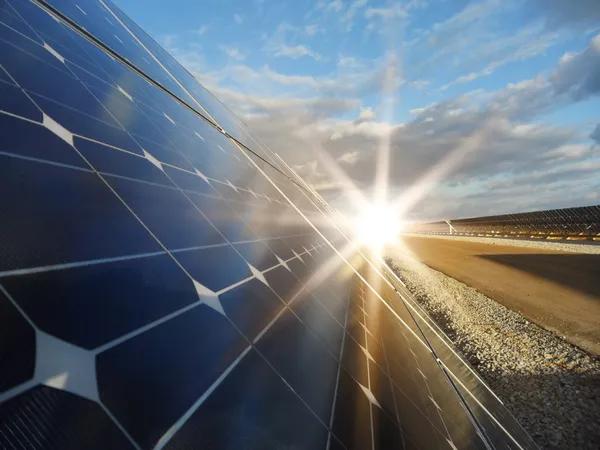
Solar panels have become a symbol of clean energy and sustainability, capturing the sun’s rays to generate electricity without emitting greenhouse gases. As technology advances, the efficiency of solar panels has significantly improved over the years, making them a viable option for both residential and commercial energy needs.
The efficiency of a solar panel is determined by its ability to convert sunlight into usable electricity. Today, most commercially available solar panels have an efficiency rate between 15% and 22%. This means that they can convert 15% to 22% of the sunlight that hits them into electrical power. While these numbers may seem modest at first glance, they represent substantial progress from earlier models which had efficiencies below 10%.
solar panels in Nashville TN
Several factors contribute to the improved efficiency of modern solar panels. Technological advancements in photovoltaic cells have played a crucial role. The development of monocrystalline silicon cells, known for their high purity and performance, has been pivotal in achieving higher efficiencies. These cells are more efficient than their polycrystalline counterparts because they allow electrons to move more freely through the cell.
Another significant advancement is the introduction of bifacial solar panels. Unlike traditional single-sided panels, bifacial ones can capture sunlight on both sides, thereby increasing overall see options energy generation by up to 30%. Additionally, innovations like passivated emitter rear contact (PERC) technology enhance light absorption and reduce electron recombination losses within the cell.
The manufacturing process has also seen improvements with better quality control measures ensuring fewer defects in each panel produced. Enhanced materials such as anti-reflective coatings further aid in maximizing light absorption while minimizing reflection losses.
Moreover, tracking systems that adjust the orientation of solar panels throughout the day ensure optimal exposure to sunlight regardless of time or season—boosting their output considerably compared to fixed installations.
While current technologies offer impressive efficiencies under ideal conditions—such as direct sunlight at optimal angles—real-world factors like shading from trees or buildings can impact performance negatively. However, micro-inverters and power optimizers are increasingly used alongside modern systems to mitigate such issues by allowing individual panel optimization rather than relying solely on string inverter setups where one shaded panel could affect an entire array’s output.
Despite these advancements making today’s solar panels highly efficient compared with past iterations; ongoing research continues exploring new materials like perovskite cells which promise even greater potential due largely thanks not only higher theoretical limits but also lower production costs potentially revolutionizing future markets once commercialized successfully beyond laboratory settings thus ensuring continued evolution towards ever-greater sustainability goals globally achieved via harnessing inexhaustible renewable resources available abundantly around us every day: sunshine!
Green Wave Solar
231 W Rutherford Blvd, Murfreesboro, TN 37130
615-237-1737