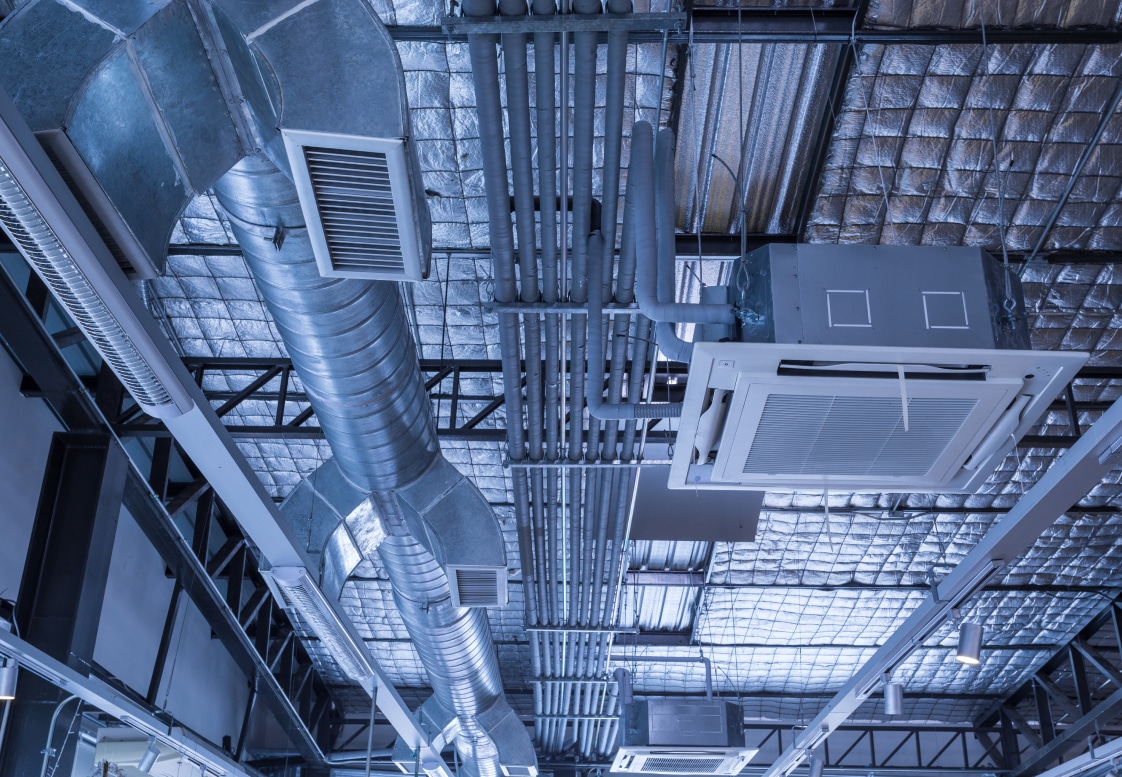
Planning HVAC infrastructure for commercial projects requires a comprehensive approach that balances efficiency, functionality, and sustainability. The heating, ventilation, and air conditioning system is a critical component of any commercial building, influencing occupant comfort, indoor air quality, and energy consumption. Early involvement of HVAC professionals during the design phase ensures that the system integrates seamlessly with architectural and structural elements. This collaboration helps optimize space utilization while addressing specific needs such as zoning requirements or specialized environments like data centers or laboratories.
A thorough assessment of the building’s size, layout, occupancy patterns, and intended use forms the foundation for effective HVAC planning. Understanding these factors allows engineers to calculate heating and cooling loads accurately. These calculations are essential to select appropriately sized equipment that meets demand without excessive energy use or operational costs. Oversized systems can lead to inefficiencies by cycling on and off frequently, whereas undersized units may struggle to maintain comfortable conditions during peak periods.
Energy efficiency remains a top priority in modern commercial HVAC design due to rising utility costs and stricter environmental regulations. Incorporating high-efficiency components such as variable speed drives on fans and pumps or advanced heat recovery systems can significantly reduce energy consumption. Additionally, integrating smart controls enables real-time monitoring and adjustment based on occupancy levels or outdoor weather conditions. This adaptability not only enhances comfort but also extends equipment lifespan by minimizing unnecessary wear.
Ventilation plays a crucial role in maintaining indoor air quality by removing pollutants and supplying fresh air according to established standards like ASHRAE guidelines. Properly designed ductwork must minimize pressure losses while avoiding noise issues that could disrupt occupants’ activities. Selecting materials resistant to corrosion or microbial growth contributes to long-term system reliability.
Another important consideration involves compliance with local codes and sustainability certifications such as LEED or WELL Building Standard when applicable. These frameworks encourage practices that improve environmental performance through efficient visit our resource center use and healthier indoor environments.
Maintenance accessibility should be factored into the initial design since ease of service affects both operational continuity and lifecycle costs. Providing adequate space around major components simplifies inspections, cleaning procedures, filter replacements, and repairs.