Foundation issues can be a homeowner’s nightmare, leading to structural problems that can compromise the safety and integrity of a building. Addressing these issues promptly with reliable foundation repair methods is crucial. Understanding the various techniques available can help ensure that your home remains stable and secure.
One of the most common and effective foundation repair methods is underpinning. This technique involves strengthening the existing foundation by extending it to more stable soil layers or distributing the load across a larger area. Underpinning is typically achieved through the use of piers, which are driven deep into the ground until they reach bedrock or suitable load-bearing strata. Steel piers are often preferred due to their durability and ability to support significant weight.
Another widely used method is slab jacking, also known as mudjacking. This process involves injecting a grout mixture beneath a sunken concrete slab to lift it back into its original position. Slab jacking is particularly effective for repairing foundations that have settled due to soil erosion or compaction over time. It offers a cost-effective solution with minimal disruption since it requires only small access holes in the concrete.
For homes built on expansive soils, which tend to swell when wet and shrink when click now dry, installing helical piers provides an excellent solution. These screw-like steel shafts are drilled into stable soil layers beneath the shifting surface soils, offering consistent support regardless of moisture changes in upper layers. Helical piers are versatile and can be installed quickly without causing significant disturbance to landscaping.
In areas prone to water-related issues such as flooding or poor drainage, implementing proper drainage solutions alongside foundation repairs can prevent future problems effectively. French drains or surface drains help redirect water away from foundations, minimizing hydrostatic pressure that often leads to cracks and shifting over time.
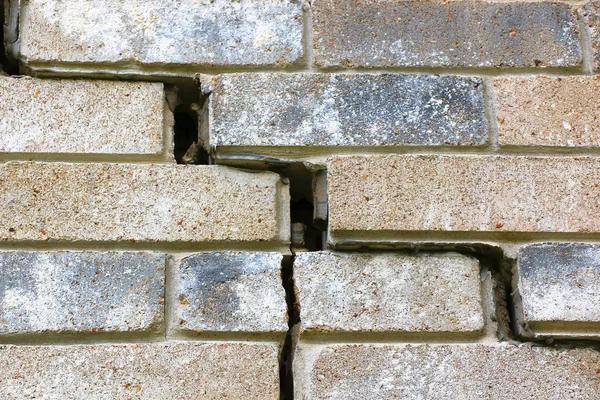
Carbon fiber reinforcement has emerged as another innovative approach for addressing minor foundation cracks caused by lateral pressure from surrounding soil or other forces like earthquakes. Carbon fiber strips bonded with epoxy resin provide additional strength without altering wall thickness significantly; this method works well for stabilizing bowing basement walls while maintaining aesthetic appeal indoors too!
Choosing appropriate materials based on specific needs ensures long-lasting results: polyurethane foam injections offer quick fixes against leaks whereas concrete patches seal wider gaps efficiently—when combined strategically within overall repair plans tailored individually per case requirements (like climate conditions), homeowners achieve peace-of-mind knowing structures remain safe under varying circumstances ahead!
By understanding these reliable methods thoroughly before embarking upon any project yourself—or hiring professionals who specialize therein—you’ll make informed decisions about safeguarding investments made towards property ownership long-term success!