
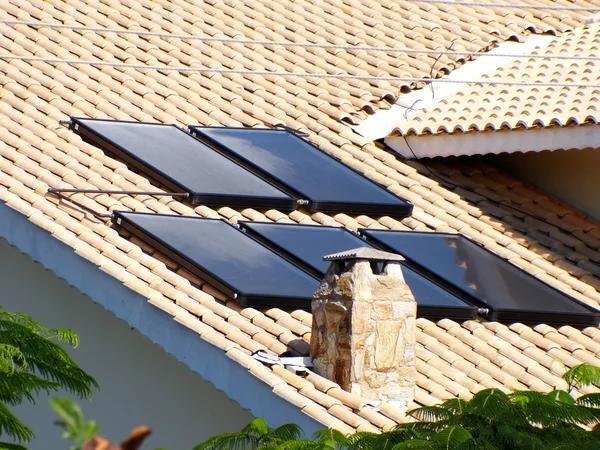
When planning an off-grid solar installation, understanding the specific requirements is essential to ensure a reliable and efficient power system. Off-grid systems operate independently from the utility grid, meaning they must generate, store, and manage energy to meet all electrical needs without external support. The primary components include solar panels, batteries for energy storage, charge controllers to regulate battery charging, and inverters that convert direct current (DC) into alternating current (AC) for standard appliances. Each component’s size and capacity depend on the anticipated energy consumption and environmental conditions.
The first step in determining solar requirements is calculating daily energy usage. This involves listing all electrical devices intended for use with uncover the secrets system and estimating their average power consumption in watt-hours per day. Accurate load assessment prevents undersizing or oversizing the system, both of which can lead to inefficiency or unnecessary costs. After establishing total daily demand, it is important to consider peak sun hours available at the installation site. Peak sun hours represent periods when sunlight intensity is sufficient for optimal solar panel performance; this varies by geographic location and season.
Solar panels must be sized so they can generate enough electricity during these peak hours to cover daily consumption while also recharging batteries adequately. Battery storage capacity should provide autonomy for multiple days without sunlight to maintain consistent power supply during cloudy weather or nighttime use. Typically, a minimum of two to three days of backup storage is recommended depending on local climate variability.
Charge controllers play a crucial role by preventing battery overcharging or deep discharging that could shorten battery lifespan. Modern systems often use maximum power point tracking (MPPT) controllers due to their higher efficiency compared with traditional pulse-width modulation types.
Inverters are selected based on total wattage required simultaneously by connected appliances as well as surge capacities needed for devices like pumps or refrigerators that draw extra power at startup.
Proper wiring and safety considerations such as fuses or circuit breakers are necessary components of any installation plan to protect equipment from faults or overloads.
Site assessment also includes evaluating shading issues caused by trees or buildings since even partial shading significantly reduces panel output.
Finally, regular maintenance schedules should be established including cleaning panels periodically and inspecting connections ensuring long-term reliability of the off-grid solar system.
By carefully analyzing energy needs alongside environmental factors and selecting appropriate components accordingly, off-grid installations can deliver dependable renewable energy tailored specifically for isolated locations lacking access to conventional grids.

