Stretched fasteners are a common issue in various industries, ranging from automotive to construction. This phenomenon occurs when fasteners, such as bolts or screws, are elongated beyond their elastic limit due to excessive tensile stress. Understanding why this happens and how to address it is crucial for maintaining the structural integrity of any assembly.
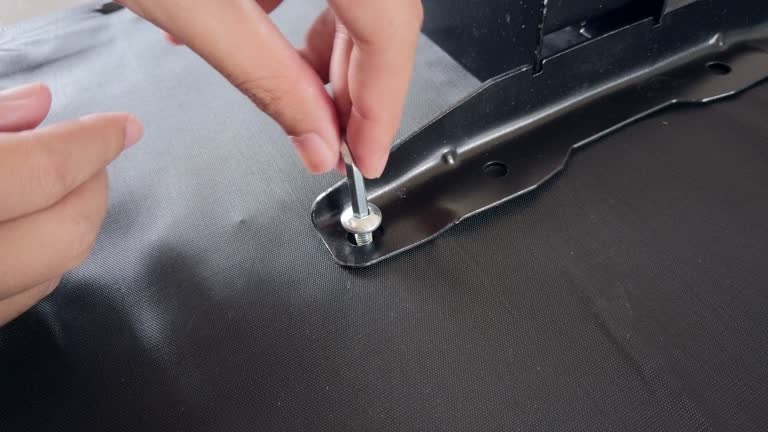
One primary cause of stretched fasteners is over-tightening. When a fastener is tightened beyond its recommended torque specification, it can undergo plastic deformation. This means that the fastener stretches permanently and does not return to its original length when the load is removed. Over-tightening not only compromises explore the possibilities fastener but also affects the overall stability of the joint it secures.
Another factor contributing to stretched fasteners is thermal expansion. In environments where temperature fluctuations are significant, materials expand and contract repeatedly. Fasteners subjected to these conditions may experience additional stresses that lead them to stretch over time. Similarly, vibration-induced loosening can exacerbate this problem by causing repeated loading cycles on the fastener.
Material fatigue also plays a role in stretching fasteners. Over time, cyclic loads can weaken the material’s structure at a microscopic level, leading to elongation under continuous stress. This gradual degradation often goes unnoticed until failure occurs.
1. **Proper Torque Application**: Ensuring that each fastener is tightened according to manufacturer specifications is paramount. Using calibrated torque wrenches helps achieve precise tension without exceeding limits.
2. **Regular Inspection and Maintenance**: Routine checks for signs of wear or elongation in critical joints allow for early detection and replacement before catastrophic failure ensues.
3. **Use Appropriate Materials**: Selecting high-quality materials with suitable mechanical properties reduces susceptibility to stretching under expected load conditions.
4. **Temperature Management**: Implementing measures like insulation or controlled heating/cooling systems minimizes thermal expansion impacts on assemblies exposed to extreme temperatures.
5. **Vibration Control**: Employing locking mechanisms such as lock washers or thread-locking compounds prevents loosening due to vibrations which could otherwise lead indirectly towards stretching issues over prolonged periods if unchecked regularly enough!
By understanding why stretched-fastener tries happen—and implementing corrective actions—industries ensure safe operation while extending equipment lifespan significantly longer than would otherwise occur naturally without intervention!