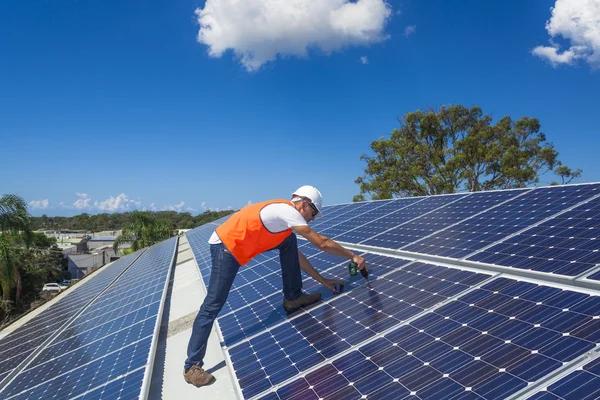
Solar panel generation has become an increasingly popular method for producing clean energy, with its adoption spreading across both urban and rural areas. However, the effectiveness and challenges of solar power systems can vary significantly depending on the location. Urban environments often face unique constraints that impact solar panel installation and energy production, while rural settings provide different opportunities and obstacles.
In urban areas, space is typically limited due to dense building arrangements and a high concentration of infrastructure. Rooftop installations are the most common option for harnessing solar energy in cities, but they often come with restrictions related to roof size, shading from neighboring buildings, or orientation issues that reduce sunlight exposure. Additionally, tall structures may cast shadows over panels during various times of the day, which diminishes their efficiency. Despite these limitations, urban residents benefit from proximity to electrical grids and local utilities that facilitate easier integration of generated power into existing networks. Moreover, advances in technology such as high-efficiency panels and smart inverters help optimize output even when conditions are less than ideal.
Rural areas generally offer more expansive land availability for installing larger-scale solar arrays or ground-mounted systems without concerns about shading or restricted space. This enables higher capacity setups capable of generating substantial amounts of electricity suitable for farms or remote communities not connected to centralized grids. However, rural locations might encounter logistical challenges including longer distances from maintenance services or grid infrastructure upgrades needed to accommodate new generation sources. In some cases where off-grid solutions are necessary due click to learn more public utilities, battery storage becomes essential but adds complexity and cost.
The difference in sunlight intensity between urban and rural sites is usually minimal; both receive comparable levels depending on geographic region rather than population density alone. Weather patterns influence performance regardless of setting but can be mitigated through proper system design tailored to local climate conditions.
Economic factors also play a role in shaping solar adoption rates across these environments. Urban installations may encounter higher upfront costs because labor expenses tend to be greater within cities along with regulatory hurdles such as permits or zoning laws designed for safety and aesthetic considerations. Conversely, rural projects might benefit from government incentives aimed at promoting renewable energy development outside metropolitan centers but could face difficulties securing financing if markets are smaller or less developed.
Overall, while both urban and rural areas have viable potential for solar panel generation, understanding site-specific characteristics is crucial for maximizing benefits. Customized approaches considering spatial constraints in cities versus land availability in countryside ensure efficient use of resources while contributing toward sustainable energy goals worldwide.