Maintaining your HVAC system is essential to ensure it operates efficiently and lasts longer. For beginners, understanding the basic steps of HVAC maintenance can prevent costly repairs and improve indoor air quality. The process begins with turning off the power to your unit for safety purposes. This step is crucial before performing any inspection or cleaning to avoid electrical hazards. Once the power is off, start by checking the air filters. Dirty filters reduce airflow and force the system to work harder, increasing energy consumption and wear on components. Replacing or cleaning filters every one to three months depending on usage keeps air flowing freely.
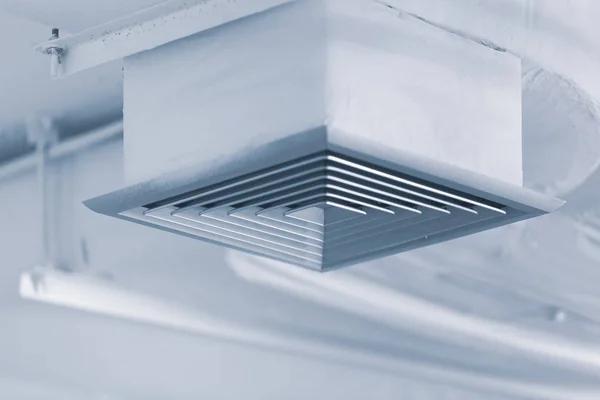
Next, examine the outdoor condenser unit for debris such as leaves, grass clippings, or dirt that can obstruct airflow. Clear away any blockages carefully without damaging fins or coils. Using a garden hose with gentle water pressure helps remove built-up grime from the condenser coils; however, avoid using high-pressure washers as they may bend delicate fins. After cleaning outside parts, move indoors click to find out inspect vents and registers throughout your home. Ensure they are open and unobstructed by furniture or drapes so that conditioned air circulates properly.
Inspecting refrigerant lines is another important task but should be done cautiously since refrigerants require professional handling if leaks are suspected. Look for visible signs of damage like cracks or oily residue around connections which could indicate leakage requiring expert attention.
Checking thermostat settings ensures your system runs according to your comfort preferences while optimizing energy use. Consider upgrading to a programmable thermostat if you do not already have one; this allows automatic adjustments based on schedules which can save money over time.
Lubricating moving parts in older systems prevents friction that causes wear and tear but consult your owner’s manual first because many modern units have sealed components needing no lubrication.
Finally, schedule annual professional inspections even if you perform regular basic maintenance yourself. Technicians conduct thorough evaluations including electrical checks, refrigerant levels measurement, and internal component assessments beyond routine homeowner capabilities.
By following these straightforward steps-power shutdown, filter replacement or cleaning, outdoor coil clearing, vent inspection, cautious line examination without direct refrigerant handling, thermostat review along with possible upgrade consideration-and ensuring periodic professional service you will maintain an efficient heating and cooling system capable of providing reliable comfort year-round while minimizing unexpected breakdowns and costly repairs over time.