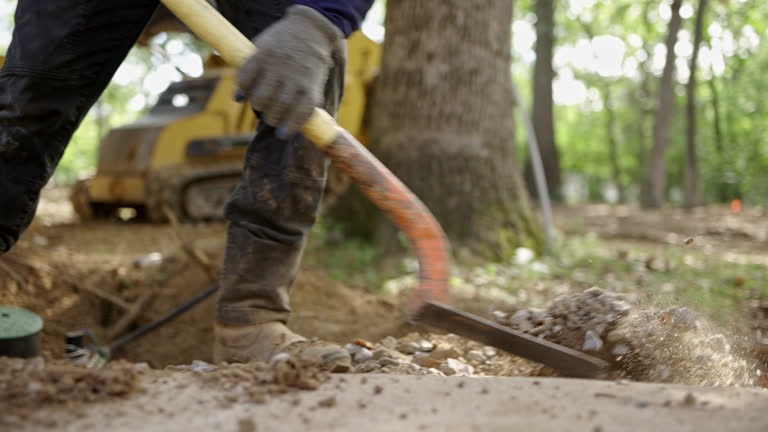
Construction and excavation projects are integral to modern development, providing the infrastructure necessary for urban expansion, transportation networks, and residential areas. However, these activities have significant environmental impacts that necessitate careful consideration and management. Understanding these impacts is crucial in developing strategies to mitigate adverse effects on the environment.
One of the primary environmental concerns associated with construction and excavation is habitat destruction. As land is cleared for new developments, ecosystems can be significantly disrupted or even obliterated. This leads to loss of biodiversity as plants and animals lose their natural habitats. The removal of vegetation also contributes to soil erosion, which can further degrade land quality and lead to sedimentation in nearby water bodies.
Another major impact is pollution. Construction sites are sources of various pollutants including dust, noise, chemicals, and waste materials. Dust from construction activities can affect air quality, posing health risks to workers and nearby residents. Noise pollution from machinery disrupts local wildlife patterns and affects human well-being. Furthermore, chemical runoff from construction sites can contaminate soil and waterways with hazardous substances such as oils, solvents, or heavy metals.
Water management issues are also prevalent in construction projects. Excavation often alters natural drainage patterns leading to increased surface runoff which visit our resource center can result in flooding or reduced groundwater recharge rates. Additionally, improper disposal of wastewater generated during construction processes poses a threat to aquatic ecosystems due to potential contamination with harmful substances.
The carbon footprint associated with construction activities cannot be overlooked either. The production of building materials like cement is energy-intensive and releases large amounts of carbon dioxide into the atmosphere contributing significantly to global warming. Transportation of materials adds further emissions while demolition processes generate additional waste that often ends up in landfills emitting methane gas as it decomposes.
To address these challenges effectively requires adopting sustainable practices within the industry itself along with stringent regulatory frameworks imposed by governments worldwide aimed at reducing ecological damage caused by such projects over time through innovative technologies designed specifically towards enhancing efficiency levels across all stages involved right from planning till completion phase thus ensuring minimal disruption occurs throughout entire lifecycle thereby promoting eco-friendly outcomes overall benefiting both society nature alike ultimately achieving balance between progress preservation simultaneously moving forward responsibly together hand-in-hand towards brighter future ahead where harmony exists continuously without compromise whatsoever ever again forevermore finally once-and-for-all!